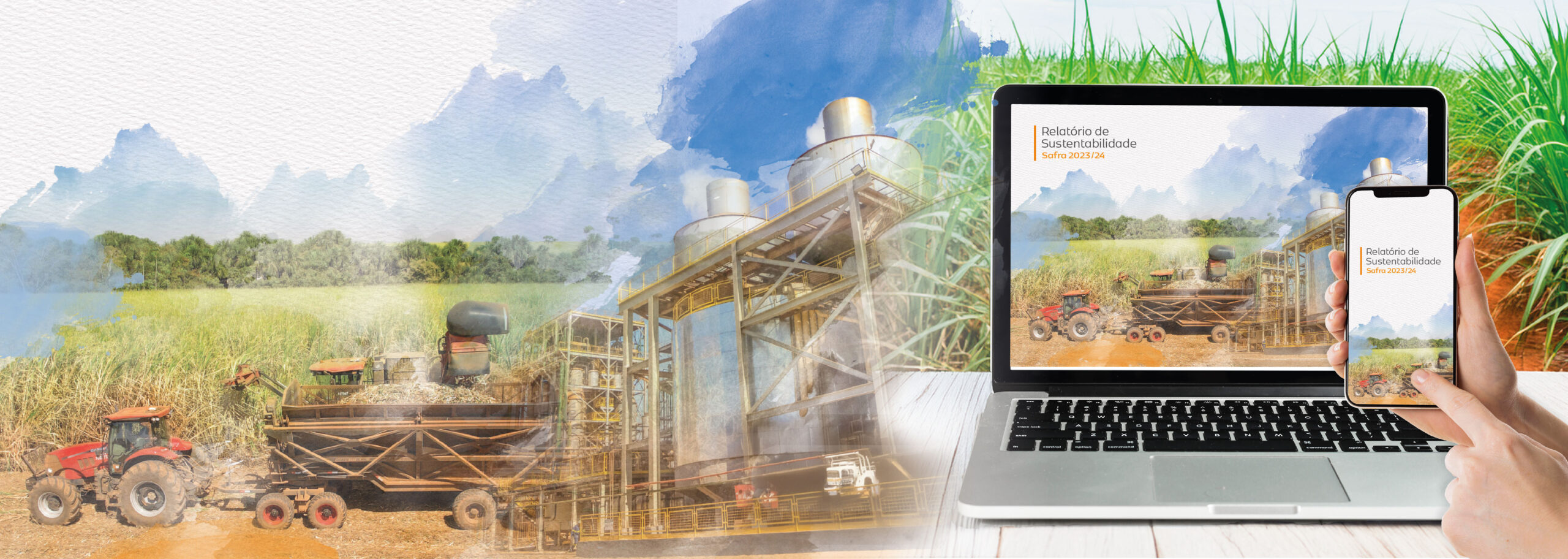
The bio-refinery achieves ambitious goals in GHG emissions reduction and sets production records.
The 2023/24 harvest marked a period of remarkable achievements and progress for Uisa, one of Brazil’s largest and most integrated bio-refineries. Producing sugar, ethanol, renewable energy, and yeast for animal nutrition and health, among other sustainable sugarcane-derived products, Uisa continues to lead in operational efficiency and sustainability.
The newly released Sustainability Report transparently outlines the key initiatives undertaken in Environmental, Social, and Governance (ESG), aligned with the United Nations’ Sustainable Development Goals (SDGs). Highlights include advancements in decarbonization, regenerative agriculture, energy transition, circular economy, waste and water management, workforce inclusion and training, compliance policies, and financial performance.
Operational and Environmental Milestones
The company processed 6 million tons of sugarcane, a 16.2% increase from the previous harvest, and achieved record production of 6.4 million sacks of sugar and 273,000 cubic meters of ethanol. These results boosted revenue, with Uisa closing the harvest with net revenue of BRL 1.578 billion, EBITDA of BRL 649.1 million, and net profit of BRL 14.3 million, representing a 5.5% growth in revenue over the prior year.
On the environmental front, Uisa reduced its CO₂ emissions by 48.05% compared to 2022, thanks to initiatives such as reforestation, the application of biological inputs in sugarcane cultivation, and the use of renewable energy sources. The company generates its own electricity from sugarcane biomass—a 100% renewable source—and expanded its energy efficiency by 78.57%, increasing capacity from 56,000 MWh/year to 100,000 MWh/year. Surplus energy is sold, contributing to Brazil’s energy transition.
Uisa’s GHG emissions inventory earned the Gold Seal from the Brazilian GHG Protocol, recognizing full compliance with transparency and third-party verification standards.
Innovations in Decarbonization and Technology
The report highlights innovative projects such as feasibility studies for storing biogenic CO₂ underground through the BECCS (Bio-Energy with Carbon Capture and Storage) initiative and the use of AI-driven platforms for quantifying and monetizing carbon sequestered in sugarcane fields using LIBS (Laser-Induced Breakdown Spectroscopy) technology.
“Uisa is committed to leading the transition to a low-carbon economy. Our decarbonization efforts—ranging from biotechnology and carbon capture technologies to reforestation and clean energy generation—demonstrate that economic growth and environmental preservation can go hand in hand,” said CEO José Fernando Mazuca Filho.
Expanding Sustainable Energy Production
In addition to ethanol, Uisa is building new biofuel production capabilities, including a biogas plant (Uisa Geo Biogás) through a joint venture. The plant will transform sugarcane, corn, and cereal biomass into biogas (energy) and biomethane (fuel), contributing to clean, renewable energy. A key goal is to power the company’s sugarcane fleet with biomethane by 2028.
Social Impact and Inclusion
With nearly 3,000 employees, Uisa bolstered a supply chain of 1,599 active material and service providers, driving economic growth. The company also expanded its workforce diversity initiatives, creating Talent Banks for affirmative action roles, including women, Black individuals, those over 50, LGBTQIAPN+, and persons with disabilities (PwDs). Women now hold 14.74% of positions, with a goal to increase female representation by 30% by 2030.
Uisa’s social programs, including Florescer Ação Social, benefited over 700 children, youth, and adults in Nova Olímpia and Denise (MT) through educational, cultural, sports, and vocational training projects.
Sustainable Agriculture and Supply Chain
Sugarcane suppliers, represented by the Assovale association, provided 2.2 million tons of sugarcane, or 37.29% of the raw material processed. Through the Nossa Cana Program, Uisa promotes RenovaBio and Bonsucro certifications, field best practices, and innovation. Annual audits ensure suppliers meet sustainability goals, with financial incentives tied to performance. In the latest cycle, 100% of suppliers qualified for RenovaBio certification.
Circular Economy and Conservation
The company invested BRL 26.5 million in a Water and Gas Washing Treatment Station (ETALG), enabling water reuse and meeting its target of a 12% reduction in water consumption in industrial processes by 2023, two years ahead of schedule. Additionally, Uisa recycled 100% of the plastic waste generated, partnering with the environmental startup Eureciclo to strengthen Brazil’s recycling chain.
Uisa protects 31,000 hectares of Amazon and Cerrado forests, home to over 280 wildlife species, and safeguards 245 springs through its internal Águas de Guanabara Program. The company also donates native and fruit-bearing seedlings to restore degraded areas, support family farming, and enhance urban and rural greenery in over 10 municipalities.
For full details, access the complete report at: https://relatorios.uisa.com.br/. Prepared in accordance with Global Reporting Initiative (GRI) 2021 standards, the document underwent assurance by SGS Brazil, ensuring transparency and alignment with international sustainability benchmarks.